
Returning to the economy the industrial production residues generated in plastic injection molding, extrusion, blow molding and compounding processes, together with all thermoplastic and thermoset polymer waste that has reached the end of its economic life, is of vital importance in today's industry for both environmental sustainability and raw material cost optimization. Tightening environmental legislation, industrial standards and Green Deal compliance processes on a global scale have brought to the fore the recycling quality and traceability not only of packaging waste, but of all polymer groups used in the automotive, home appliance, electrical-electronics and defense industries.
The biggest misconception frequently encountered in the market is that recycling consists only of grinding waste plastics and feeding them directly into production. Obtaining high-quality recycled pellets, however, is a high-level compounding discipline that requires the chemical classification of polymers, the advanced sorting technologies applied in plants worldwide, and the improvement of mechanical properties with the right additive and masterbatch packages.
In this comprehensive technical review, we look in detail at the entire process, from the general classification of polymer types to the collection and sorting steps, from physical and chemical recycling methods to industrial applications around the world and advanced laboratory analyses.
Polymer classes and recycling sources
For recycling processes to be optimized, polymers must be correctly classified according to their chemical structures:
| Class | Examples | Role in recycling |
|---|---|---|
| Commodity polymers | PE, PP, PS, PVC | Used extensively in packaging, film, blow molding and everyday plastic products; they make up the largest share of recycling volume. |
| Engineering plastics | PA, PC, POM, ABS, PBT | Used in automotive, electrical and industrial parts and require high mechanical and thermal resistance; their recycling delivers high added value. |
| Thermosets and elastomers | Cross-linked structures | Cannot be shaped by melting; they are recovered by special chemical or grinding methods. |
Steps in the recycling process and scientific classification
The basic industrial steps followed to global standards for turning mixed polymer waste into a qualified raw material are:
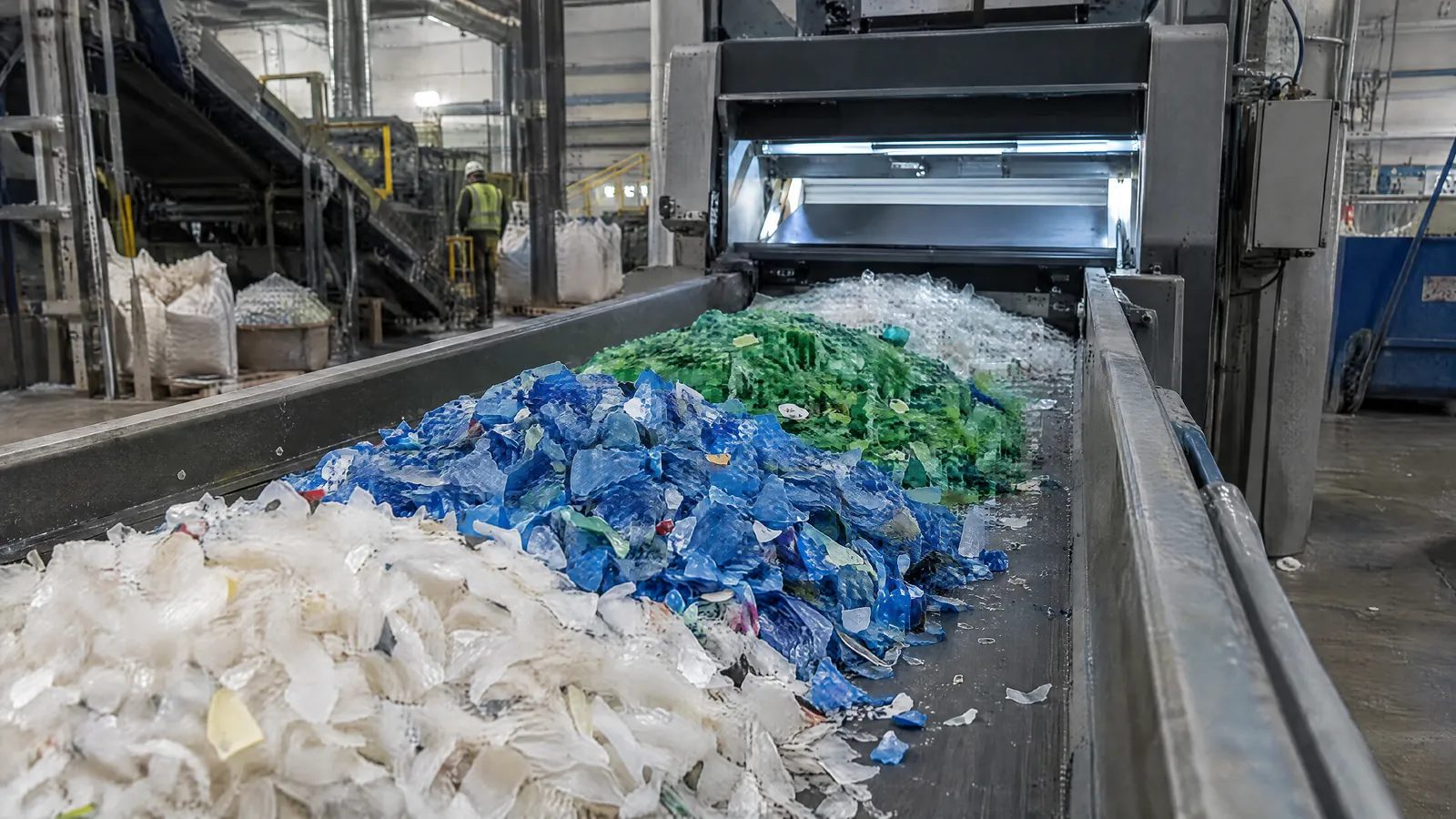
- Identification and sortingMixed plastic waste is carefully separated by type (PE, PP, PET, PVC, PA, etc.). In addition to manual inspection, advanced scientific identification methods are used, such as NIR (near infrared), FTIR, X-ray, Raman spectroscopy, MIR, pyrolysis analyses and tribotechnics.
- Size reduction (shredding and grinding)Waste plastics are broken down and reduced in conventional shredders. For engineering plastics or fine powder production, cryogenic grinding methods are used.
- Removal of non-plastic materialsPaper, metal, wood, glass and other foreign matter in the waste are removed from the line.
- Separation technologiesThe basic principle for separating mixed polymers from each other is density-based sink-float techniques, or optical and triboelectric separation systems that do not depend on density.
Physical recycling methods and their adaptation to all polymers
Physical recycling is the process of turning waste back into pellets by physical processes, without chemically breaking down (decomposing) the main chain structure of the polymer.
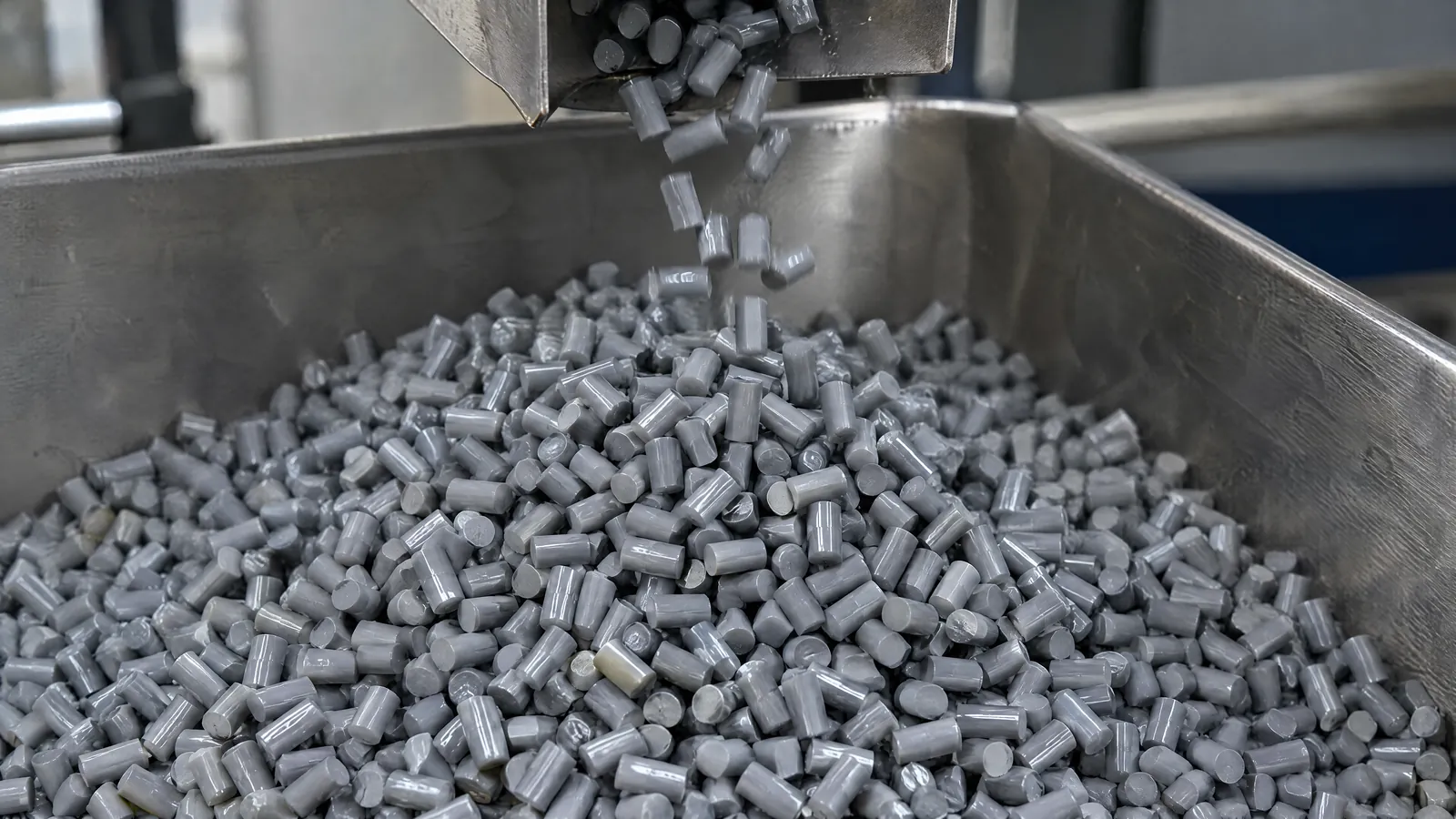
Mechanical process (for all thermoplastics): The collected waste is melted at high temperature on washing, drying and extrusion lines, filtered and turned back into pellets.
| Polymer group | Application |
|---|---|
| PE and PP (polyolefins) | In the recovery of film and packaging waste, they are processed with attention to the balance of odor and flowability (MFI). |
| PET | Bottle waste is brought to fiber or food-contact packaging grade through washing, drying and solid-state polymerization processes. |
| Engineering plastics (PA, PC, ABS) | Because of their high thermal sensitivity, drying processes are managed meticulously. |
Challenges and engineering solutions: Recycled polymers may show molecular chain scission due to thermal aging, odor, moisture and low mechanical strength. At this point, special antioxidants, odor eliminating masterbatches, chain extenders and compatibilizers integrated into the formulation bring the material quality close to the level of virgin raw material.
Chemical recycling methods and advanced technologies
Chemical recycling methods come into play for multilayer, printed or contaminated polymer waste that cannot be recovered economically by physical methods. In these methods, polymers are broken down into their monomers or chemical feedstocks:
| Method | What does it do? |
|---|---|
| Glycolysis and hydrolysis | Provides purification by chemically breaking the bonds, especially in PET and condensation polymers. |
| Pyrolysis (thermal cracking) | Converts polyolefin-based plastics into liquid and gaseous hydrocarbons by applying high temperature in an oxygen-free environment. |
| Aminolysis, hydrogenation and saponification | Alternative chemical processes that break down different polymer structures into industrial chemicals. |
| Depolymerization and extraction | Produces high-purity raw material by breaking the polymer down into its original monomer building blocks. |
Examples from around the world and global industrial approaches
Leading polymer and chemical producers around the world are pioneering the industry with closed-loop recycling systems:
| Example | Approach |
|---|---|
| Europe: LyondellBasell / Borealis projects | Process post-consumer plastic waste (PCR - Post-Consumer Recycled) in mechanical and advanced chemical recycling plants and supply certified high-quality compounds to the automotive and packaging industries. |
| SABIC (Trucircle program) | Converts ocean-bound and hard-to-recycle plastics by pyrolysis into polymer feedstock of original virgin quality and supplies it to global brands. |
| Eastman Chemical (USA) | Breaks down polyester and mixed plastic waste at the molecular level (methanolysis technology) to produce raw material that can be recycled endlessly for the packaging and textile industries. |
Strategic importance in quality control and R&D processes
Laboratory tests are mandatory for recycled polymers to be used safely in industry and on series production lines:
| Control | Purpose |
|---|---|
| MFI and rheological compatibility | Determining whether the flow index (MFI/MFR) suits the production line |
| Ash content and purity tests | Precise determination of the amount of mineral filler and the ratio of foreign polymer contamination |
| Spectrophotometric color control | Managing lot-to-lot color consistency with optical instruments at nanometer precision |
| Mechanical and thermal tests | Verifying in-service strength limits with tensile, impact, HDT and Vicat tests |
Conclusion and engineering recommendation
Recycling processes covering all polymer groups go beyond ordinary waste management: when combined with the right compounding techniques, advanced additive technologies and uncompromising laboratory control, they form a strategic engineering field that gives companies both an economic cost advantage and assurance of environmental compliance.
Let's find the right solution for your production together
See your requirement in figures with our calculator or request a sample from our laboratory.