What is Masterbatch?
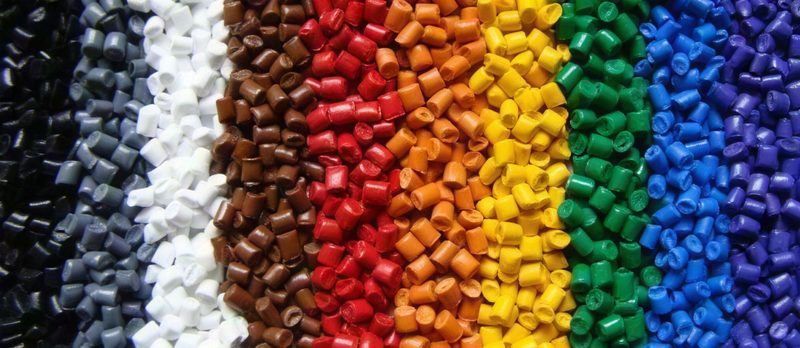
In the plastics industry, advanced engineering grade granular compounds obtained by homogeneously encapsulating high concentrations of pigments or chemical additives within a compatible carrier polymer matrix using twin screw extrusion technology to impart color, aesthetics, and specific functional properties to final products are called masterbatch. Unlike powder pigments, these technological granules, which prevent dusting and material loss on production lines, maximize process efficiency by fully harmonizing with the melt flow index and rheological properties of the base polymer.
The masterbatch formulations we manufacture completely eliminate the risk of agglomeration thanks to their low filter pressure value and optimized shear stress tolerance. By penetrating the molecular structure of the polymer at a microscopic level, they preserve mechanical properties such as tensile, tear, and impact strength, while ensuring precise color matching in the CIELAB color space and maximum tinting strength.
Formulated with optimal let down ratios, our black, white, color, and additive masterbatch series are professional engineering solutions that offer high thermal stability, absolute dispersion, and operational consistency in critical sectors such as packaging, automotive, medical, and agriculture. You can contact our expert engineering team for technical support regarding your specific carrier polymer requirements and custom process formulations.
The Journey of Masterbatch from History to Today
The history of humankind has been written through the evolution of the materials it uses. This deep-rooted adventure, stretching from the Stone Age to the Iron Age, gave way in the 20th century to the “Age of Plastics”, which changed the course of history entirely.
The Birth of Plastic: 1907 and Leo Baekeland
It all began with the desire to surpass the limits of nature in a laboratory. In 1907 the Belgian chemist Leo Baekeland invented “bakelite”, the first fully synthetic plastic. Heat resistant and mouldable, this innovation gave humanity the power to design its own molecular building blocks.
The Molecular Architect: The Giulio Natta Revolution
By the 1950s the German chemist Karl Ziegler and the Italian chemist Giulio Natta had taken control of polymer chains. The stereospecific catalysts developed by Natta launched the industrial production of plastics. This scientific leap earned them the 1963 Nobel Prize in Chemistry and was recorded as the true moment of birth of modern industry.
The Origin of Colouring and Its Industrial Challenges
This revolutionary material had been found, but colouring it was a technical challenge. In the early 1900s synthetic powder pigments such as titanium dioxide (white) and phthalocyanine (blue) were invented. However, in the 1950s industrial plants were still trying to mix these pure powders directly into plastic (dry blending). Toxic dust particles in the air threatened occupational health and safety, while agglomerated colourants weakened the mechanical strength of the final products.
What Is Masterbatch? The Capsule That Reprograms Plastic
In its most fundamental scientific definition, the term “masterbatch”, so often heard in the plastics industry, refers to concentrated granules in solid form, obtained by melting pigments, dyes or functional additives at high concentrations within a “carrier resin” matrix and dispersing them homogeneously. Masterbatch technology traps active substances at a microscopic level and allows them to melt in perfect harmony with the raw polymer on the main production line (extrusion or injection). In short, masterbatch is a technological engineering capsule that reprograms the molecular DNA of plastic.
Quantum Resistance: Van der Waals Forces and the Production Revolution
Separating pigments from one another is in fact a physical struggle at the molecular level. Pigment particles cling tightly to each other through the attractive forces we call “Van der Waals”. The immense shear force we apply today in our modern twin-screw extruders breaks this quantum resistance and disperses the active substances flawlessly between polymer chains at a nanometric level.
Rheology and Crystallinity: Invisible Engineering
Polymers are not simply substances that melt; they are complex “non-Newtonian” fluids. The rheology-regulating (flow science) additives we develop in our R&D laboratories allow molten plastic to flow through machines with flawless hydrodynamics. At the same time, the nucleating agents in our formulations manipulate the crystal structure of molten plastic as it cools, transforming hazy polymers into glass clarity and steel hardness.
Bespoke Engineering and Formulation
In industry, standard solutions cannot adapt to the dynamics of every process. Every customer’s machine park, thermal processing capacity and production speed differ. At Colorex we design bespoke polymer recipes specific to our customers’ processes, machine characteristics and the geographical conditions in which the product will be used — from hot desert climates to freezing Scandinavian cold.
From Bursa to the World: Türkiye’s Masterbatch Adventure
In the 1970s and 1980s the Turkish plastics industry was entirely dependent on imports for its masterbatch supply. The first domestic attempts were limited to standard black and white. We set out to carry this process to the level of high-technology engineering. With a corporate structure shaped by the deep-rooted production discipline of Bursa — the capital of the automotive industry — we have become our country’s global force producing functional technology. Today we carry Bursa’s high-quality production culture to the global arena through the advanced polymer technologies we export to every corner of the world.
Our Transformative Power Shaping Industries
We guide every capillary of industry with science:
- Defence Industry: With ballistic composites used in UAVs, armed UAVs and armoured vehicles, extreme heat resistant flame retardants and electromagnetic shielding (EMI) additives that provide radar invisibility, we strengthen our country’s strategic independence.
- Automotive and Aviation: Lightweighting technologies that shake the throne of metal; we deliver lower fuel consumption, reduced carbon emissions and anti-scratch surfaces in aircraft and electric vehicles.
- Medical and Healthcare: Our silver-ion antimicrobial masterbatches prevent bacteria and viruses from adhering to surfaces, minimising the risk of infection in clinical environments.
- Packaging: We produce formulations that preserve the freshness and shelf life of food while maximising transparency and oxygen barrier properties.
- White Goods and Small Household Appliances: Aesthetic surface modifications that resist heat, chemicals and photo-oxidative yellowing for years.
- Agriculture: Smart films that control the climate in greenhouses, break the damaging effect of the sun and increase crop yield through photoselective properties.
- Construction, Building and Cable: From pipes to insulation profiles; infrastructure solutions that combine high electrical insulation safety with flame retardancy.
- Textiles and Synthetic Fibre: Nano dispersion technology that prevents colour fading and eliminates breakage in yarn production.
Four Critical Industrial Pillars
- Food Safety: Special agricultural film additives secure the global food supply under changing climate conditions.
- Shelf Life: Packaging technologies that prevent food waste and slow oxidation by providing an oxygen barrier.
- Additive Manufacturing (3D Printing): High-tolerance polymer filament formulations used in additive manufacturing models.
- Global Regulations: International standards such as FDA and REACH are our corporate red lines protecting human health in production.
Sustainability, Energy Saving and Upcycling
Protecting our planet’s ecosystem is our greatest corporate responsibility. With the vision of the European Union Green Deal, we support industrialists in reducing their carbon footprint. Thanks to the process improving (PPA) masterbatches we have developed, machines run at lower temperatures and with less friction, radically reducing factories’ energy consumption. Furthermore, with our chain extender and moisture absorbing additives, we repair the broken molecular bonds of waste plastics, restoring them to their original polymeric arrangement and integrating them into the circular economy.
Smart Technologies of the Future: Halochromic and Thermochromic Packaging
We design the future with our AI-supported formulation systems and Industry 4.0 compliant facilities. Our tomorrow will enable plastic not only to take shape but to act as a biosensor. In the near future, when the chicken you buy from the market or the breast milk you give your baby begins to spoil, the packaging will change colour. This innovative safety shield will be provided by our “halochromic” active sensor masterbatches, which respond to increasing acidity (pH change) in food, and by heat-sensitive “thermochromic” ones. The era of guesswork in food safety will close and the age of proactive chemical warning will begin.
A Legacy Left to the Future
From the first day I encountered the unique smell of machines and production in the workshops of Tophane Vocational and Technical Anatolian High School until today, my passion for industry, technology and engineering has never changed. I see this global technology ecosystem, which we have built with great effort and scientific discipline, not merely as a commercial success of our company, but as a sustainable engineering legacy that we will hand down — in the name of Onur and Yiğit — to new generations, to the young industry leaders of tomorrow.
Every single granule we produce as Colorex is a part of our industry’s competitive strength in the global arena and of its strategy for existing in the smart world of the future. We will continue to create added value on the axis of science, technology and engineering.
Yours sincerely,
Murat DOĞAN
Founder and Chairman of the Board