Inside Our Laboratory
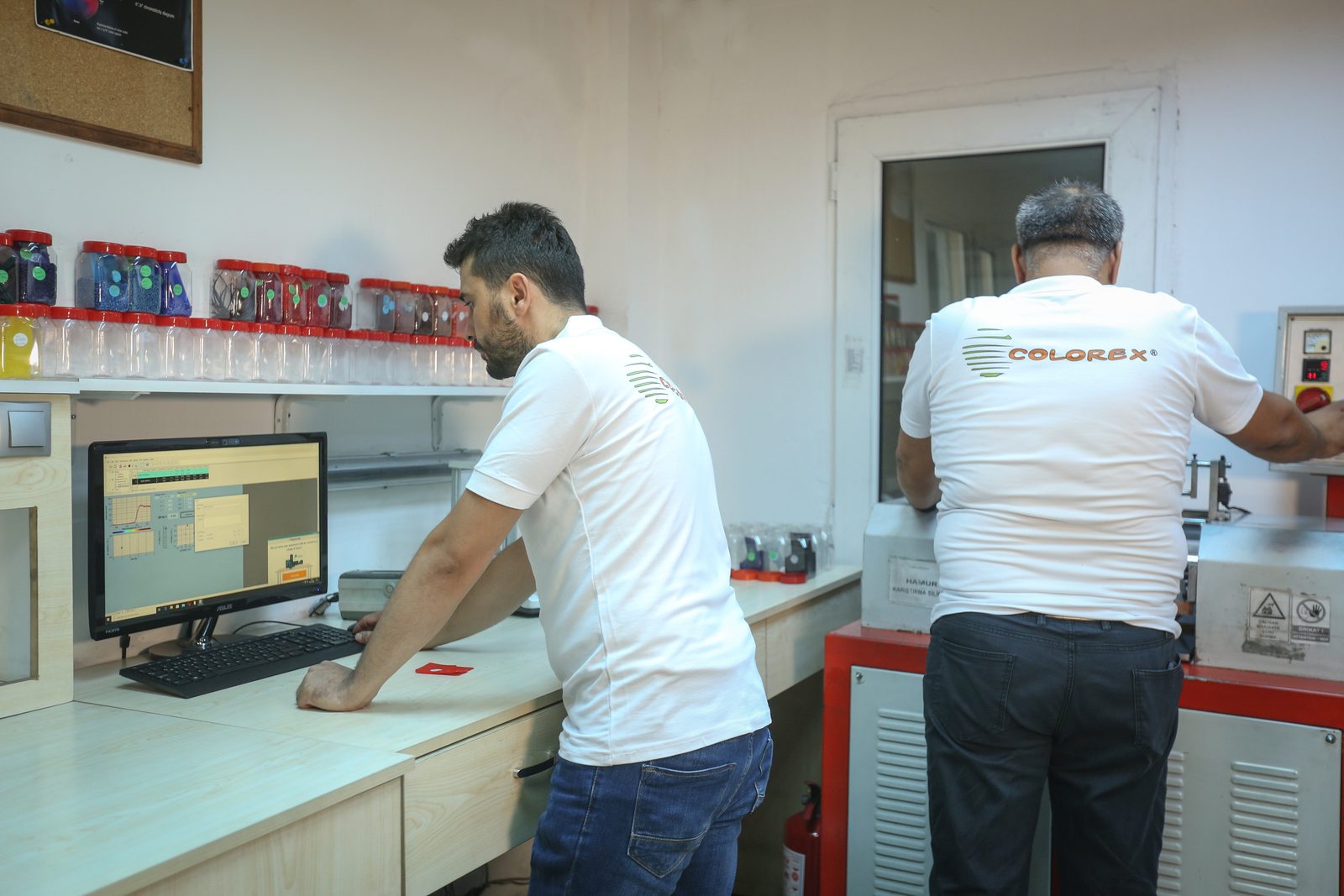
In the masterbatch and plastics sector, sustainable quality is only possible through advanced technology and professional analysis methods. The Colorex Professional Laboratory is equipped with the highest technology devices to meticulously recreate and produce the exact colors and process-improving specific additives demanded by our customers in a laboratory environment. With our expert engineering and technical staff, we simulate production conditions with flawless professionalism.
In 2016, with our KOSGEB-supported project, we realized the largest R&D investment in our history and established the best laboratory in the sector, becoming a pioneer in the industry with this innovative step. Today, our Professional Laboratory operates as a technology base that produces instant and precise solutions for the needs of all critical sectors working with a zero-defect tolerance, especially the automotive industry.
To take our R&D and innovation power even further with scientific foundations, we carry out strategic collaborations with the Bursa Uludag University Chemistry Department and the Yalova University Polymer Engineering Department. Thanks to this strong academic bond and our flawless laboratory infrastructure, we provide our business partners with the guarantee of the exact same quality at every point, from the smallest particle of the formula to massive production lots.
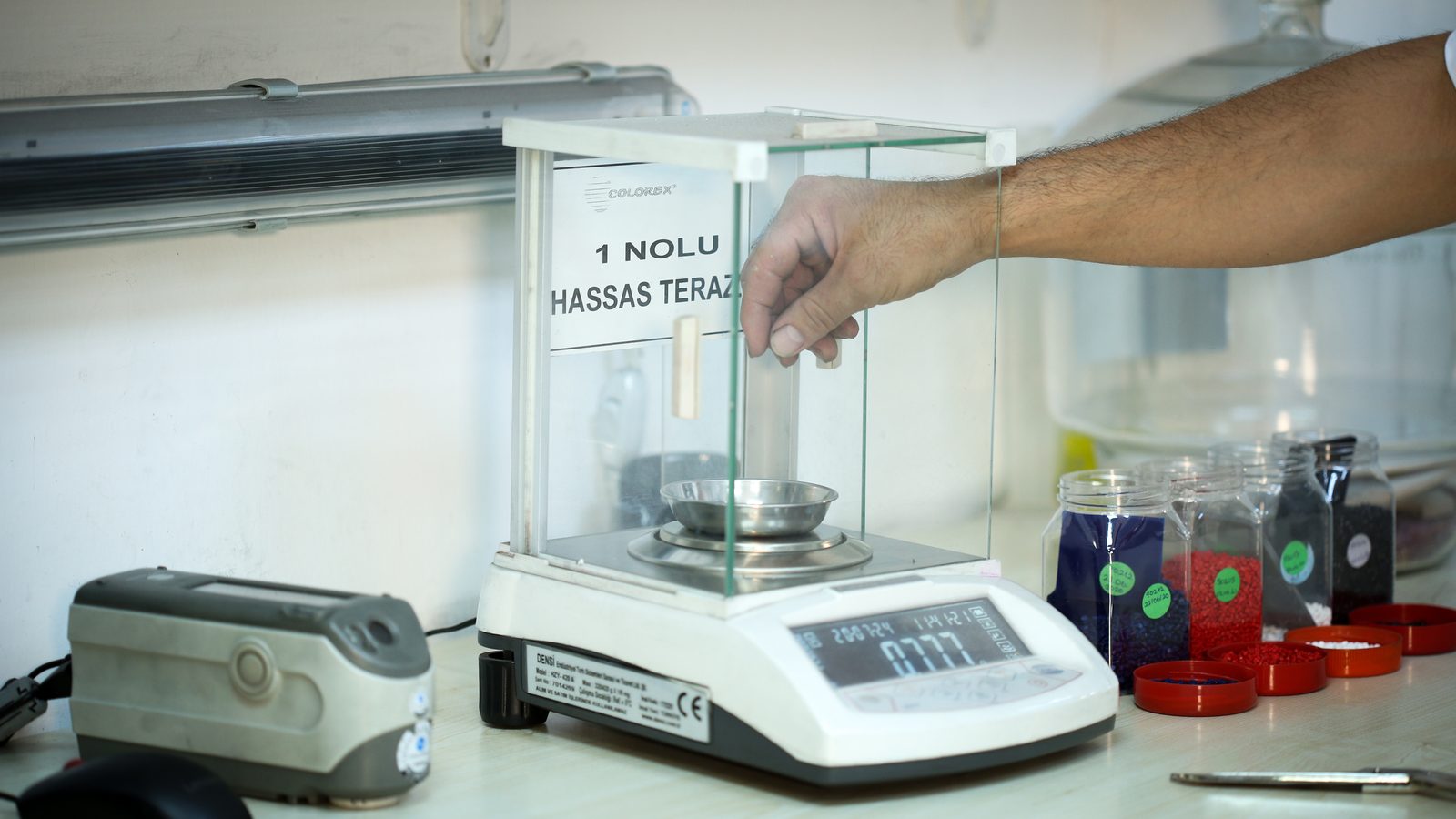
Maximizing precision in our color studies, we divide 1 gram by 1000 and create our formulas with this perfect balance. Every sample entering Colorex is assigned a specific sample code, registered in our system, and kept for a lifetime. In addition, every witness sample taken from production is stored in our special dark rooms for 5 years within the scope of retroactive traceability and unwavering quality assurance.
Our Laboratory Equipment and Applied Standards
Each device is listed with the benefit it brings to our customers and the international standard behind the test.
Sample Preparation and Pilot Production
Small-batch custom colour and new formulation trials; the recipe is verified before it reaches production.
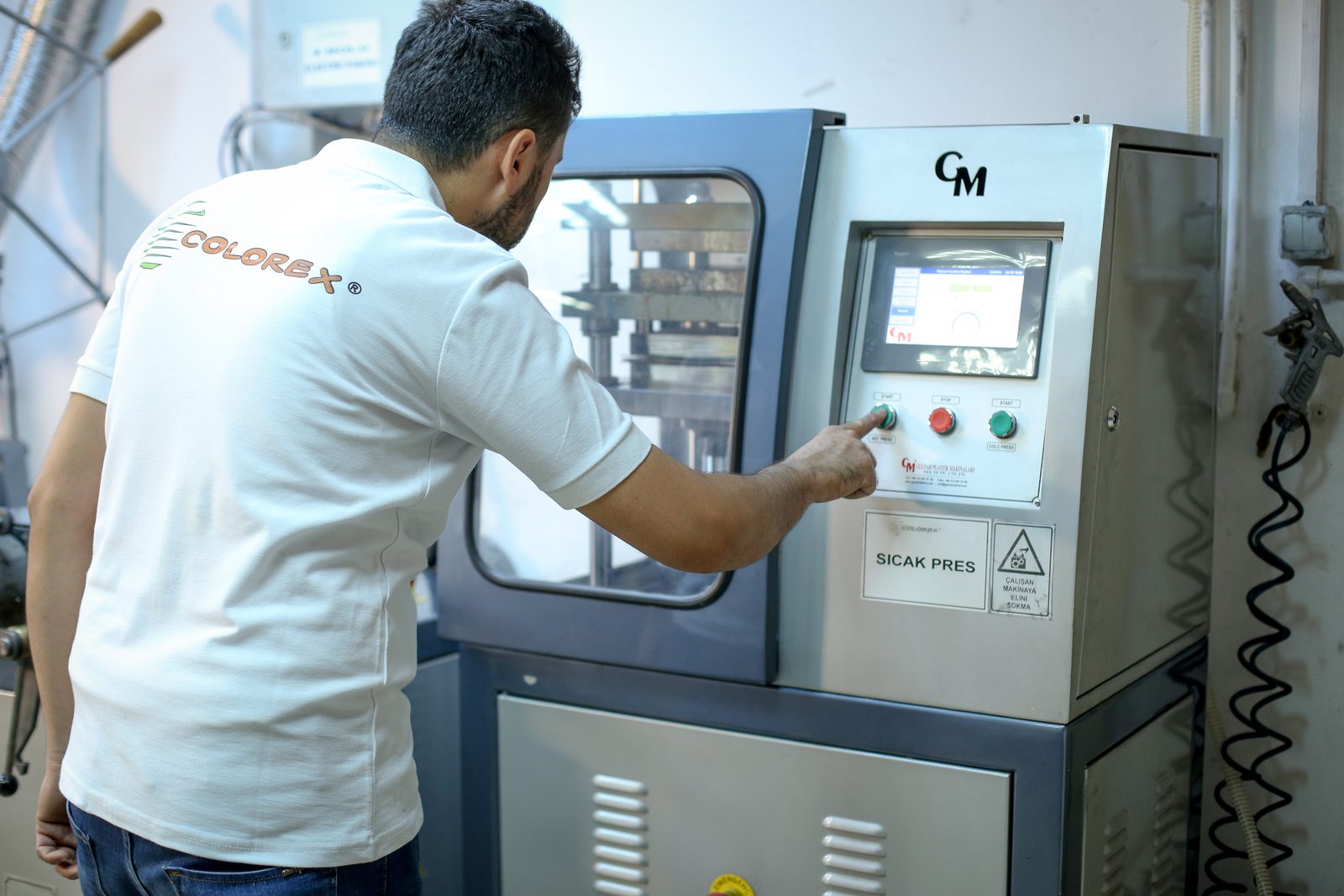
Colour chip moulding, warpage and heat stability checks.
Standard: ISO 294-1 · EN 12877-2Hiding power, opacity and gel (fish-eye) checks on thin film, before it reaches your line.
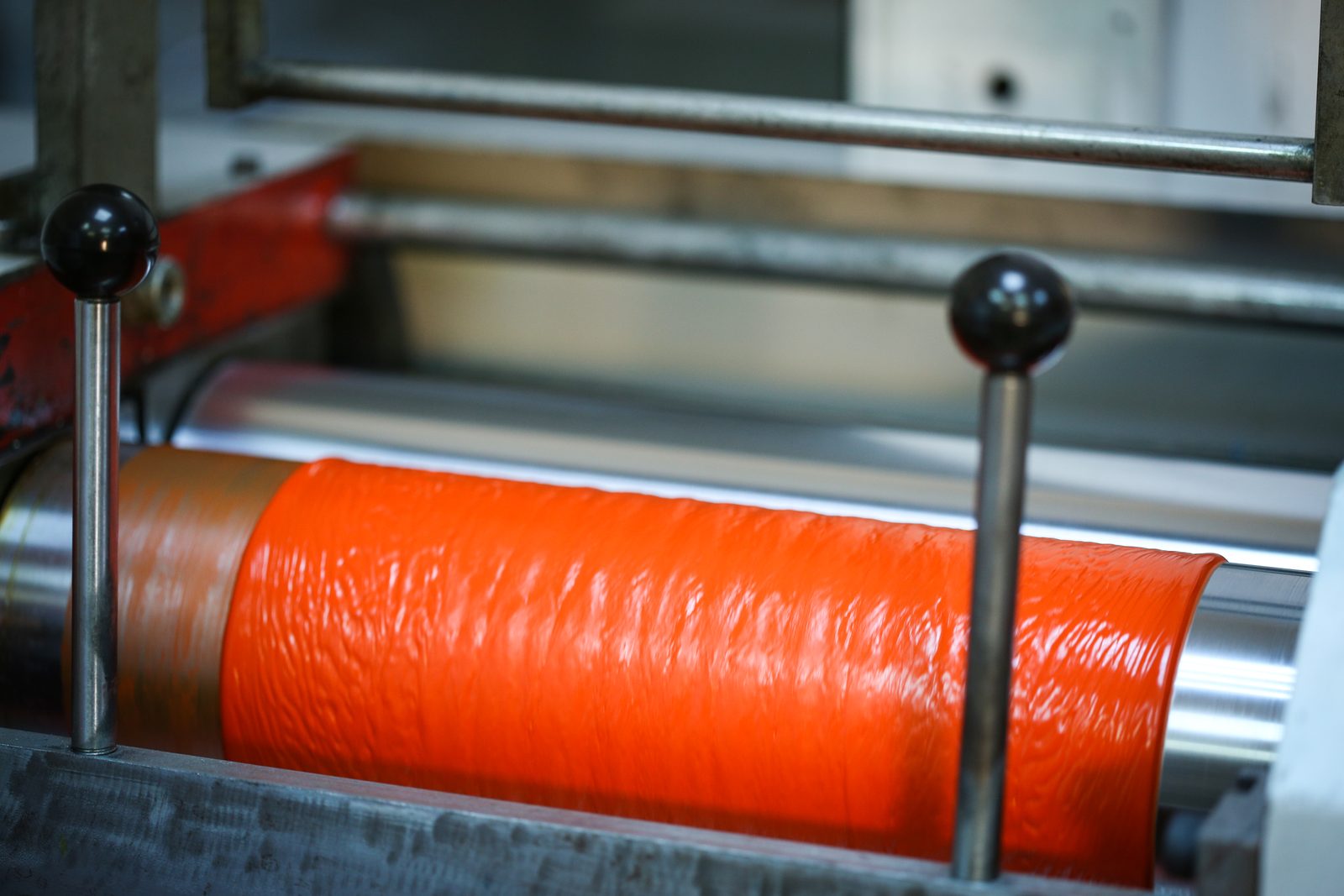
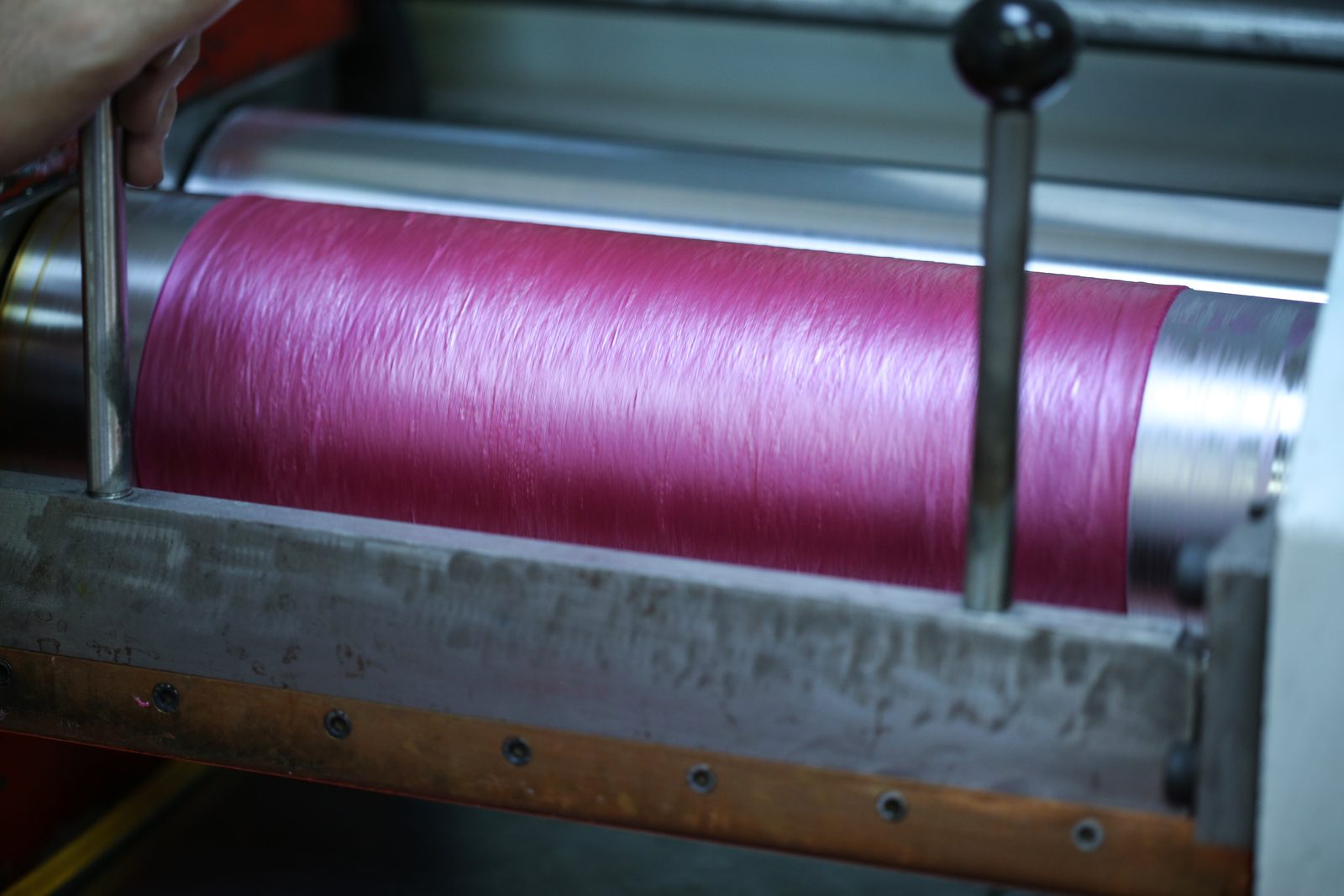
Standard: EN 13900-6Fast dispersion and colour sample preparation.
Standard: EN 13900-2Preparation of test and colour plaques.
Standard: ISO 293Pre-mixing and homogeneous sample preparation.
Reprocessing of samples and recycling trials.
Process trials for bottle and container producers.
Colour, Optics and Dispersion
CIE L*a*b* measurement and numerical colour tolerance with ΔE.
Standard: ISO 11664-4 · ISO/CIE 11664-6Checking colour shift under different light sources (metamerism).
Standard: ISO 3664 · ASTM D1729Dispersion and screen-clogging test for thin film, BOPP and fibre/raffia production.
Standard: EN 13900-5Analysis of pigment agglomerates and carbon black dispersion.
Standard: ISO 18553Numerical measurement of surface gloss.
Standard: ISO 2813Measurement of transparency and hiding power.
Standard: ISO 14782 · ASTM D1003Physical, Thermal and Rheological Analysis
Flow compatibility between the carrier resin and your polymer.
Standard: ISO 1133Verification of calcite, TiO₂ and inorganic filler content.
Standard: ISO 3451-1Determination of carbon black content in plastics.
Standard: ISO 6964Preventing moisture-related surface defects in raw materials and recycled granules.
Standard: ISO 15512Specific gravity and weight control; precision that divides 1 gram into 1000.
Standard: ISO 1183Melting and crystallisation behaviour; antioxidant efficiency via OIT.
Standard: ISO 11357Filler and carbon black content, thermal stability.
Standard: ISO 11358-1Identification of polymers and additives.
Standard: ASTM E1252Softening and deflection limits under temperature.
Standard: ISO 306 · ISO 75Ageing and Mechanical Testing
Sun and weather resistance and light fastness for greenhouse film, pipe and outdoor products.
Standard: ISO 4892-2 · ISO 4892-3Effect of additive and filler content on impact strength.
Standard: ISO 180 · ISO 179-1Tensile strength and elongation of film, raffia and moulded parts.
Standard: ISO 527Checking pigment colour change at high processing temperatures.
Standard: EN 12877-1All of these advanced tests required for the production processes of our business partners are conducted completely free of charge in our Professional Laboratory, and the results are transparently projected and presented to our customers in detailed reports.
Gallery